The National Research and Development Agency (ANID) recently announced the selected projects in the 2025 National Contest for Excellence Research and Development Centers of National Interest. This initiative, a successor to the Fund for Financing Priority Area Research Centers (FONDAP), supports the creation of high-impact scientific centers of excellence that address major national challenges—such as climate change, natural disasters, energy transition, and social conflicts—through multidisciplinary research.
This call included both new strategic initiatives and centers seeking a 5-year renewal. Selected centers must develop excellence in research, train advanced human capital, and establish national and international collaboration networks. Each can receive up to $1,250 million Chilean pesos annually from ANID, with an initial duration of five years, extendable for an equivalent period.
The UC School of Engineering played a prominent role by leading the funding renewal for three centers and the selection of a new initiative focused on transportation and logistics for development, under the direction of renowned academics:
CENTER FOR SUSTAINABLE URBAN DEVELOPMENT (CEDEUS)
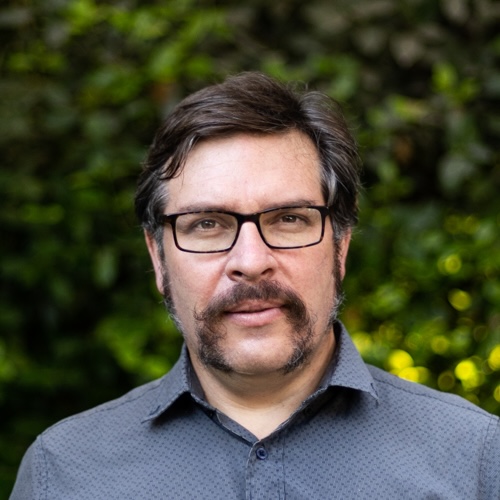
Under the direction of Associate Professor Jorge Gironás from the Department of Hydraulic and Environmental Engineering, CEDEUS secured a five-year funding renewal, consolidating its leadership in urban sustainability research in Chile. Led by Pontificia Universidad Católica de Chile and the University of Concepción, in partnership with other institutions, the center will work in collaboration with the Ministries of Housing, Environment, and Transport.
Its purpose is to co-produce interdisciplinary scientific knowledge to address critical urban sustainability challenges in Chile, focusing on four priority lines: Healthy Basins, Resilient Built Environment, Cohesive and Just Cities, and Efficient Mobility. CEDEUS will develop excellence in research, train advanced human capital, and seek to directly impact public policy formulation, aiming to promote more equitable and resilient cities for current and future generations.
CENTER FOR INTERDISCIPLINARY RESEARCH ON DISASTER RISK, RESILIENCE AND RECOVERY (CIGIDEN R+)
Directed by Associate Professor Rosita Jünemann from the Department of Structural and Geotechnical Engineering, CIGIDEN R+ will continue its contribution to generating knowledge, tools, and public policies for disaster risk mitigation and resilience. Its main mission is to reduce these risks in Chile, a country exposed to multiple threats such as earthquakes, tsunamis, floods, and forest fires.
In this new stage, built upon 12 years of accumulated experience, the center will adopt a comprehensive approach, organizing its research into five interconnected areas: Challenges (to connect science and policy), Hazards (geophysical and climatic), Territories (urban planning), Infrastructure (critical systems), and Society (governance and community participation). Working in collaboration with public institutions such as SENAPRED and several ministries, CIGIDEN R+ seeks to transform scientific knowledge into concrete tools and policies. Its ultimate goal is to strengthen community resilience and improve recovery processes, positioning Chile as a regional reference in integrated disaster risk management.


SOLAR ENERGY RESEARCH CENTER (SERC CHILE)
In this new development stage, the Solar Energy Research Center (SERC Chile) will be under the direction of Associate Professor José Miguel Cardemil from the Department of Mechanical and Metallurgical Engineering, reinforcing its mission to establish Chile as a global leader in solar energy. Its approach integrates sustainability, inclusion, and innovation to maximize the social and environmental impact of this resource.
The center will address key challenges such as panel durability, waste management, and minimizing the ecological impact of solar plants. Simultaneously, it will work to ensure the benefits of the energy transition reach all communities, including rural and underserved sectors. Its research will also drive the transformation of key industries like mining and agriculture through hybrid systems and will develop technologies for green hydrogen and synthetic fuel production. Furthermore, it will implement smart grid management solutions, using artificial intelligence, to ensure a reliable and efficient electrical system.
CENTER FOR ADVANCED TRANSPORTATION, LOGISTICS, AND ECONOMIC COMPETITIVENESS (CATLEC)
The Center for Advanced Transportation, Logistics, and Economic Competitiveness (CATLEC) is one of the new National Interest Centers awarded by ANID, directed by Associate Professor Ricardo Giesen from the Department of Transportation and Logistics Engineering. Its objective is to address critical transportation and logistics challenges to enhance Chile’s economic, social, and environmental development through an interdisciplinary and innovative approach.
The center is organized around four strategic research lines: National Logistics Competitiveness, to improve infrastructure investment and connectivity; Better Food Logistics, optimizing cold chains to reduce losses; Smart Urban Logistics, to make urban freight transport more efficient and cleaner; and Transportation Systems for Livable Cities, promoting active mobility, electrification, and multimodal integration. CATLEC will implement activities such as publishing policy reports, developing open data platforms, and executing pilot projects in collaboration with public and private actors. Through this work, it seeks to influence public policy, strengthen collaboration, and improve the country’s competitiveness with sustainable and inclusive solutions.
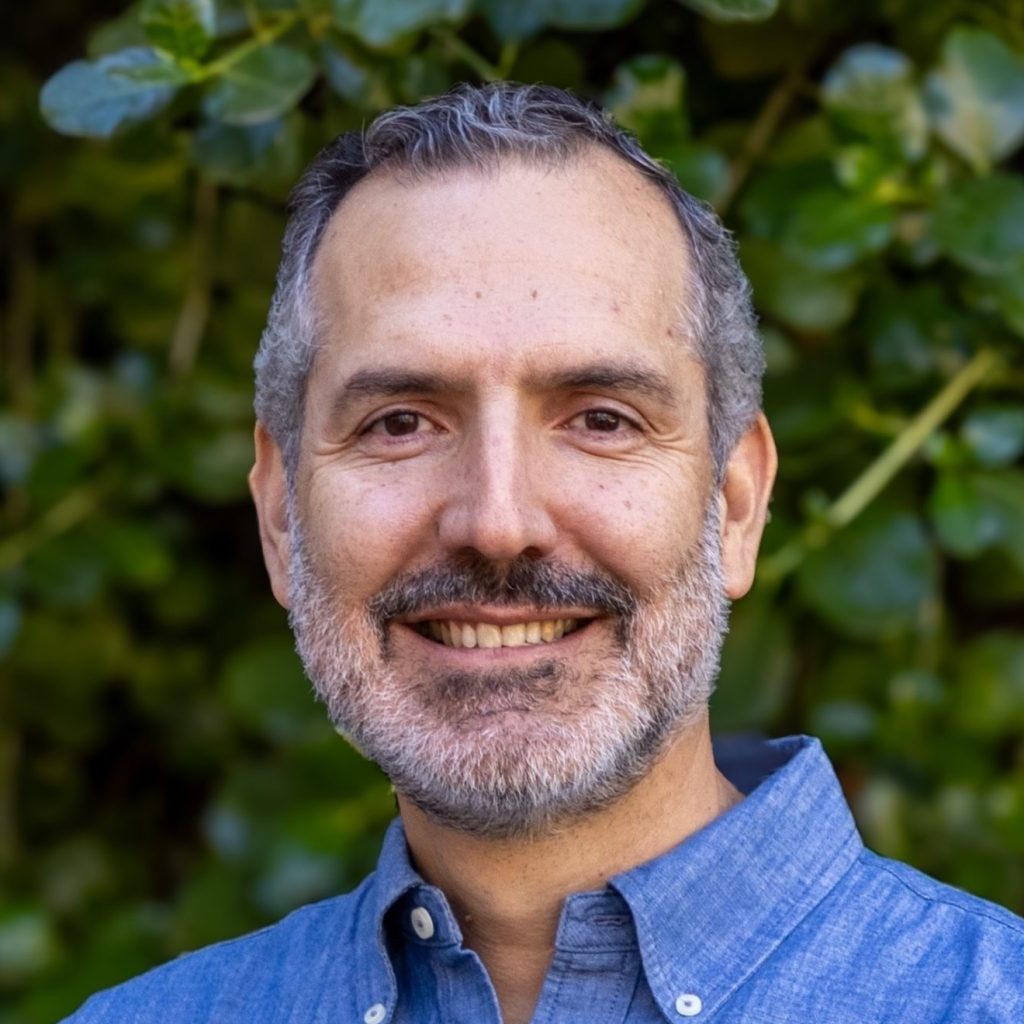
Through interdisciplinary excellence in research, CEDEUS, CIGIDEN R+, SERC, and CATLEC address critical national challenges—from sustainable cities and disaster resilience to clean energy and competitive logistics—transforming scientific knowledge into concrete solutions and public policy impact. These initiatives, driven in collaboration with other universities, the State, and the private sector, not only generate technological innovation but also train advanced human capital and strengthen cooperation networks. Thus, academic research is consolidated as an essential pillar for building a more sustainable, equitable, and resilient future for all Chileans.