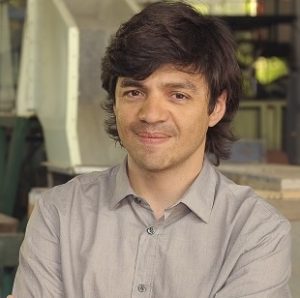
Cristián Escauriaza
As part of the Collaborative Science Program of the U.S. Office of Naval Research (ONR), researchers from Stanford University and UC School of Engineering have secured funding to conduct joint workshops and fieldwork in the fjords of the Gulf of Corcovado in Chilean Patagonia.
Led by Professor Oliver Fringer (Stanford’s Department of Civil and Environmental Engineering) and Professor Cristián Escauriaza (Department of Hydraulic and Environmental Engineering, UC School of Engineering), the team will investigate how glaciers interact with these unique coastal channels, shaping both the surroundings and marine life. Through a combination of on-site research and expert collaboration, the project aims to better predict how these fragile ecosystems respond to environmental changes, helping to inform adaptation strategies.
Beyond advancing scientific understanding of these phenomena, the initiative will strengthen international partnerships and train the next generation of researchers studying one of the planet’s most extraordinary coastal ecosystems.