University of Notre Dame
Department of Construction Engineering and Management








University of Notre Dame

Department of Construction Engineering and Management
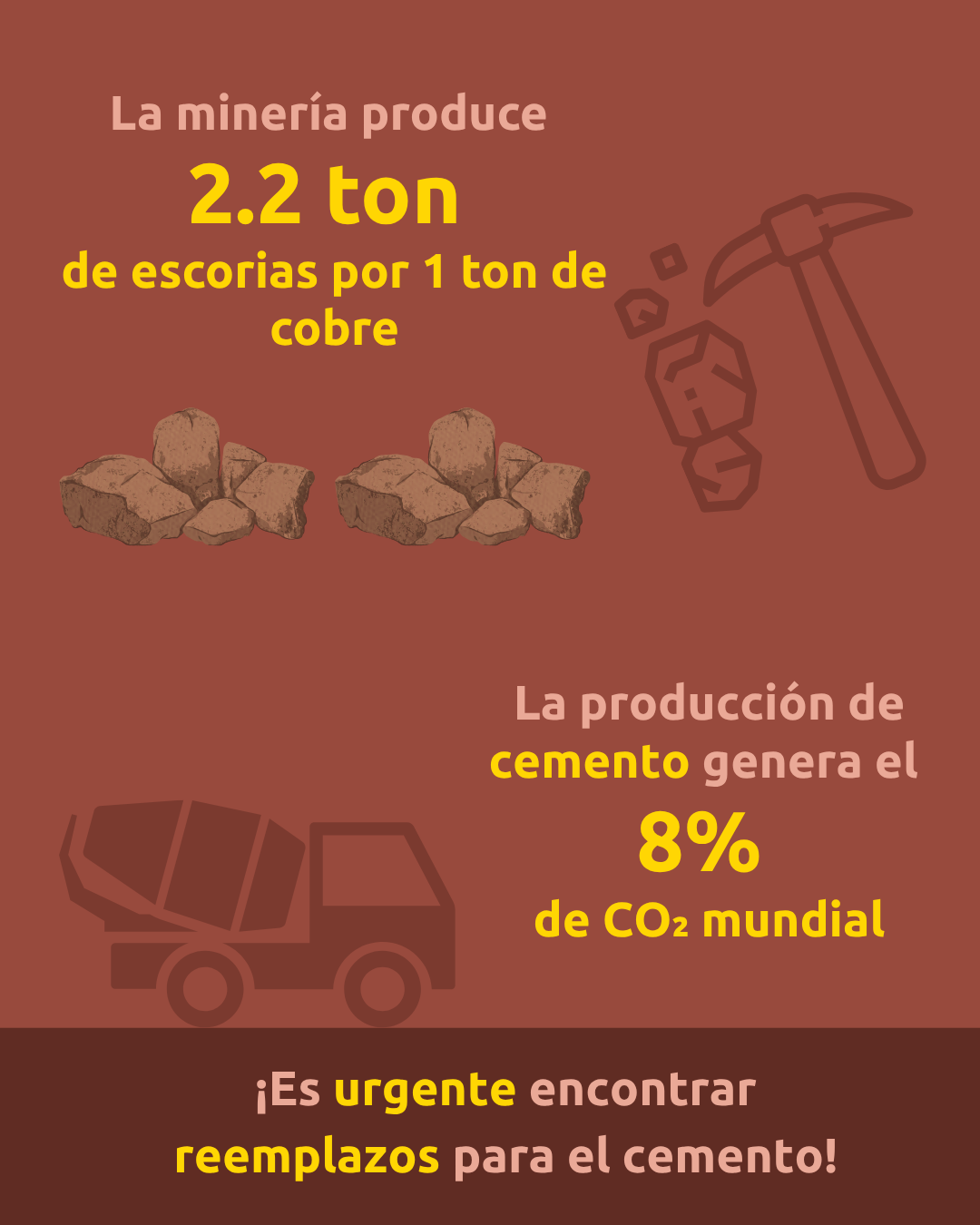
The pursuit of sustainability across industries has become a global necessity. Construction and mining are no exception: cement production accounts for 8% of global CO₂ emissions, and every tonne of refined copper generates 2.2 tonnes of copper slag. This waste, which tends to accumulate in large quantities, poses an environmental challenge, especially when it is not put to use and can create risks for nearby communities. The challenge is particularly relevant for Chile, one of the world’s leading copper producers, where finding ways to reuse this waste could help reduce the environmental impact of mining.
Moreover, since concrete is the most widely used construction material in the world, population growth increases the need to build more buildings and, with it, the pollution levels of this industry. Therefore, the search for supplementary cementitious materials (SCMs) has become a research trend in civil engineering to reduce the carbon footprint of the construction industry.
Exploring new possibilities for slag
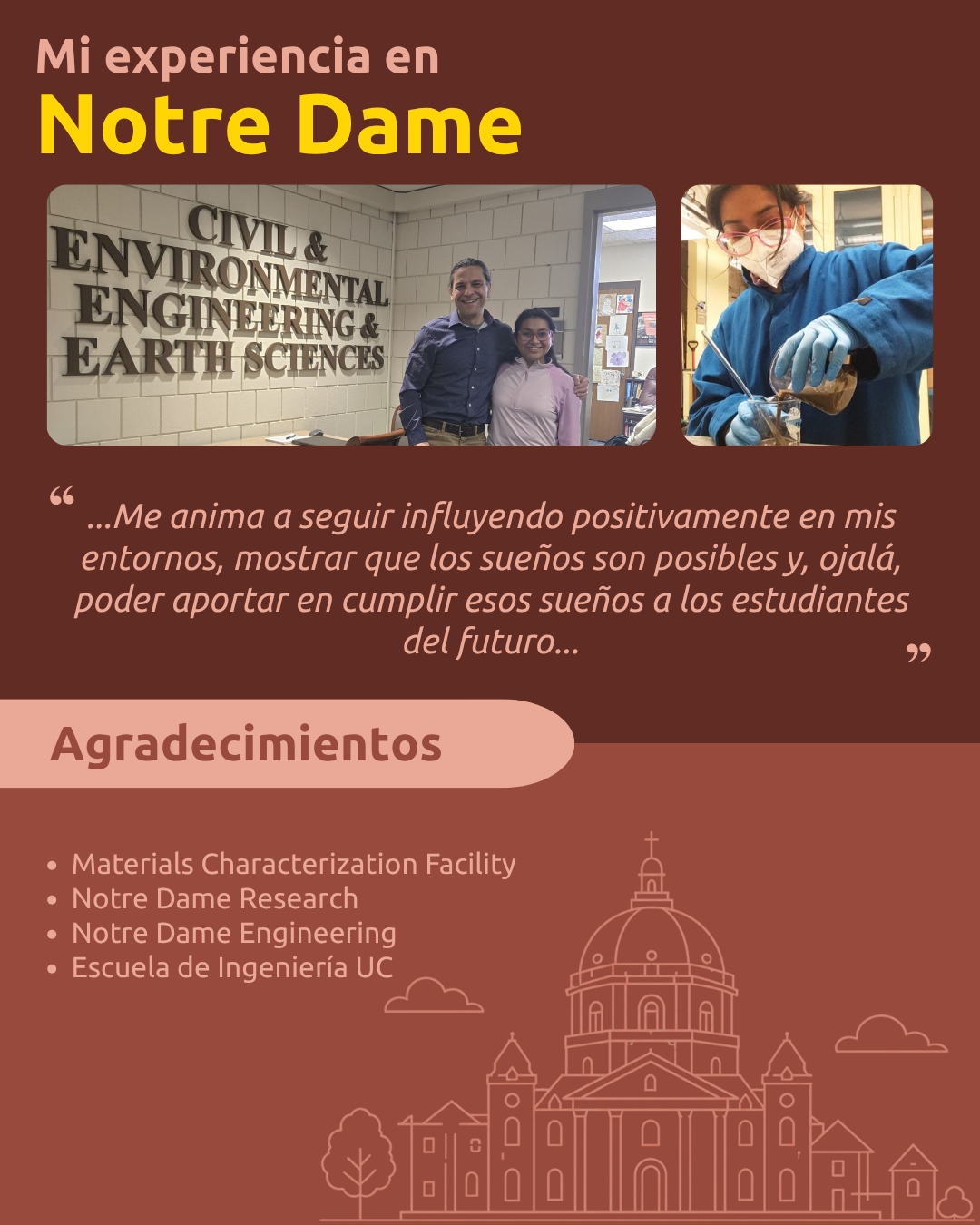
In this context, Jocelyn Lincoleo Oyarce, a Structural Civil Engineering student, completed a two-month research internship at the University of Notre Dame, United States, through the international program The Bridge Investigación. During her stay, she continued her work on the potential of copper slag as a partial replacement for cement, as part of research led by Professor Iván Navarrete of the Department of Construction Engineering and Management, within an international collaboration with the University of Notre Dame. There, she worked under the supervision of Dr. Yahya Kurama and deepened her study of this material and its possible application in construction.
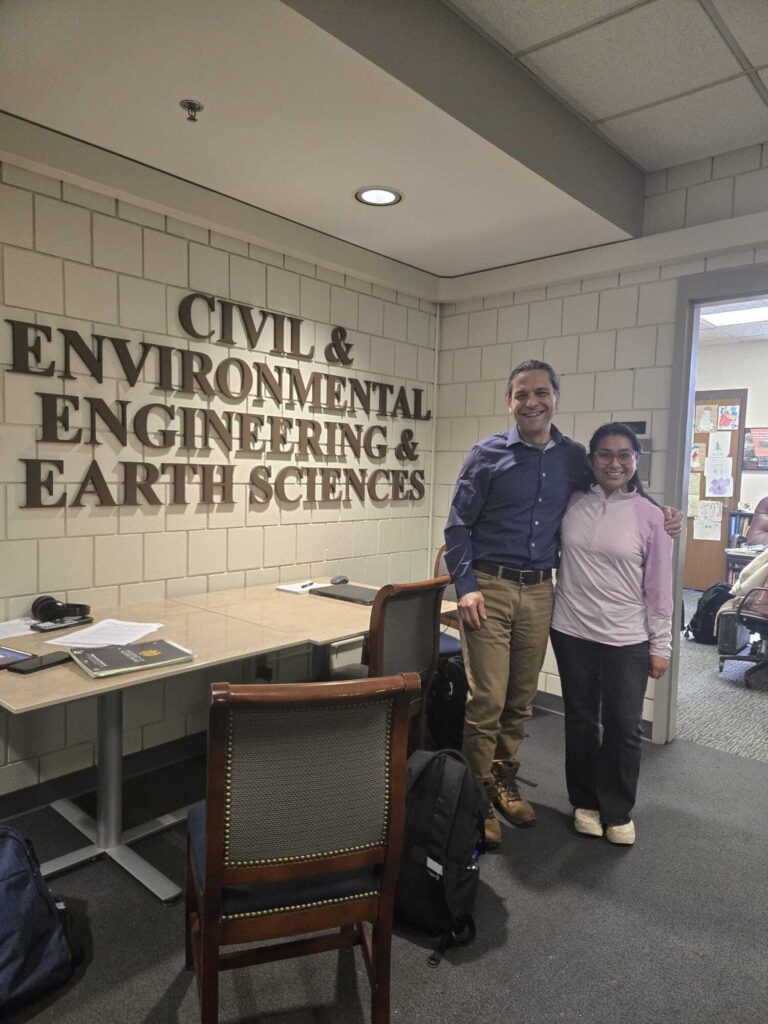
Figure 1: Research team made up of Dr. Yahya Kurama (right) and Jocelyn Lincoleo (left)
What magnetism reveals
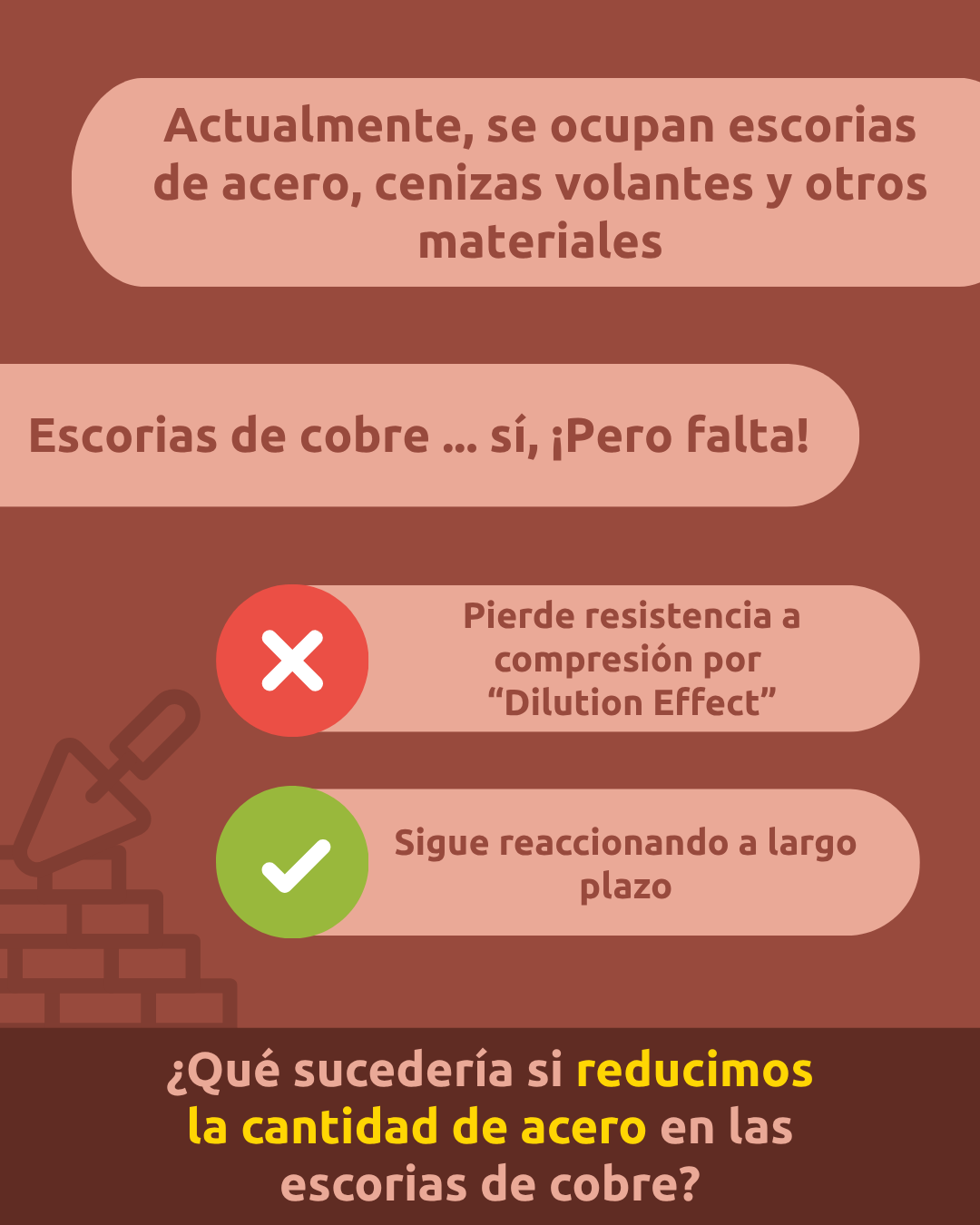
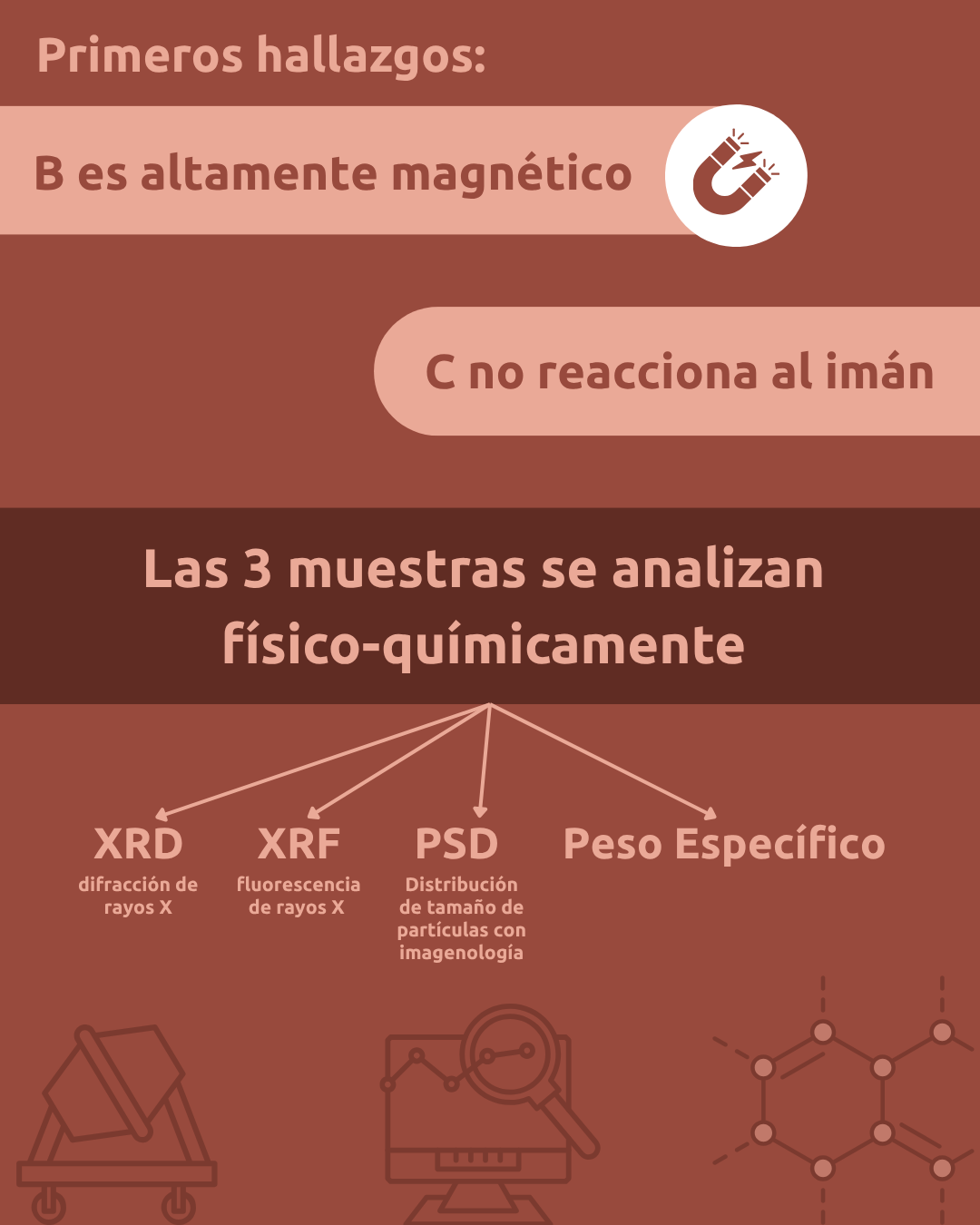
As part of the research, the team explored separating the iron in copper slag, which makes up about 40% of its weight, using its magnetic properties. This modification sought to understand whether separating its components could improve its potential as a supplementary cementitious material (SCM). Although previous research has shown that this slag can partially replace cement, its inert material content can reduce the compressive strength of concrete.
Jocelyn then carried out a physicochemical characterization of the magnetic and non-magnetic fractions at Notre Dame’s Materials Characterization Facility (MCF). The analysis included X-ray diffraction (XRD), which identifies the compounds present in the material, and X-ray fluorescence (XRF), which reveals its chemical composition. Particle size was also analyzed through imaging (PSD), and the specific gravity of the samples was measured.
From idea to field: build, test and install
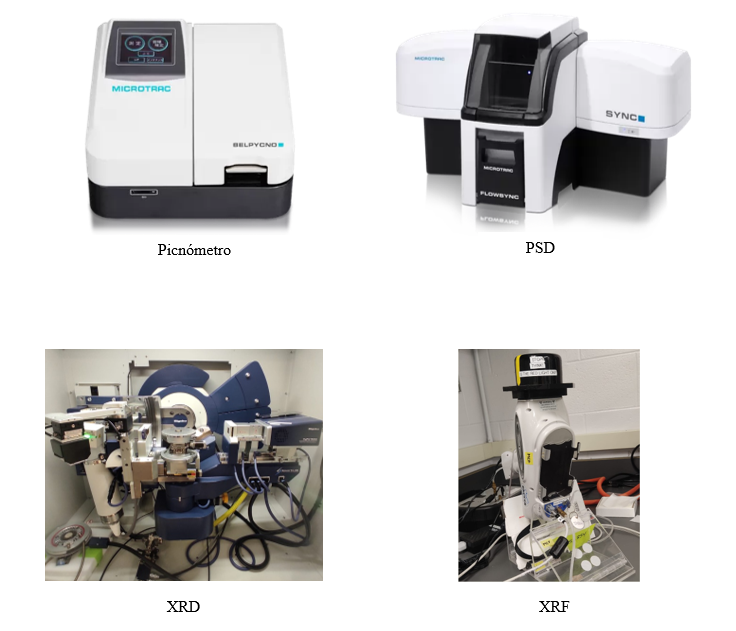
Figure 2: Equipment used to characterize copper slag
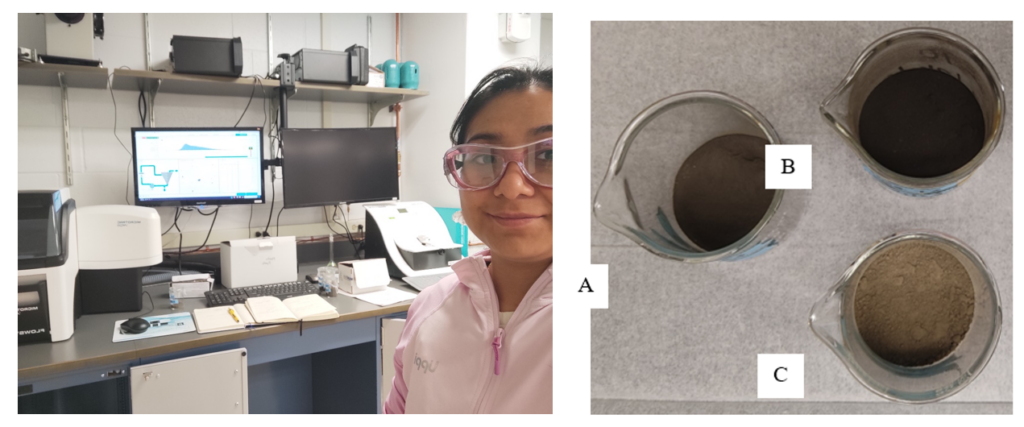
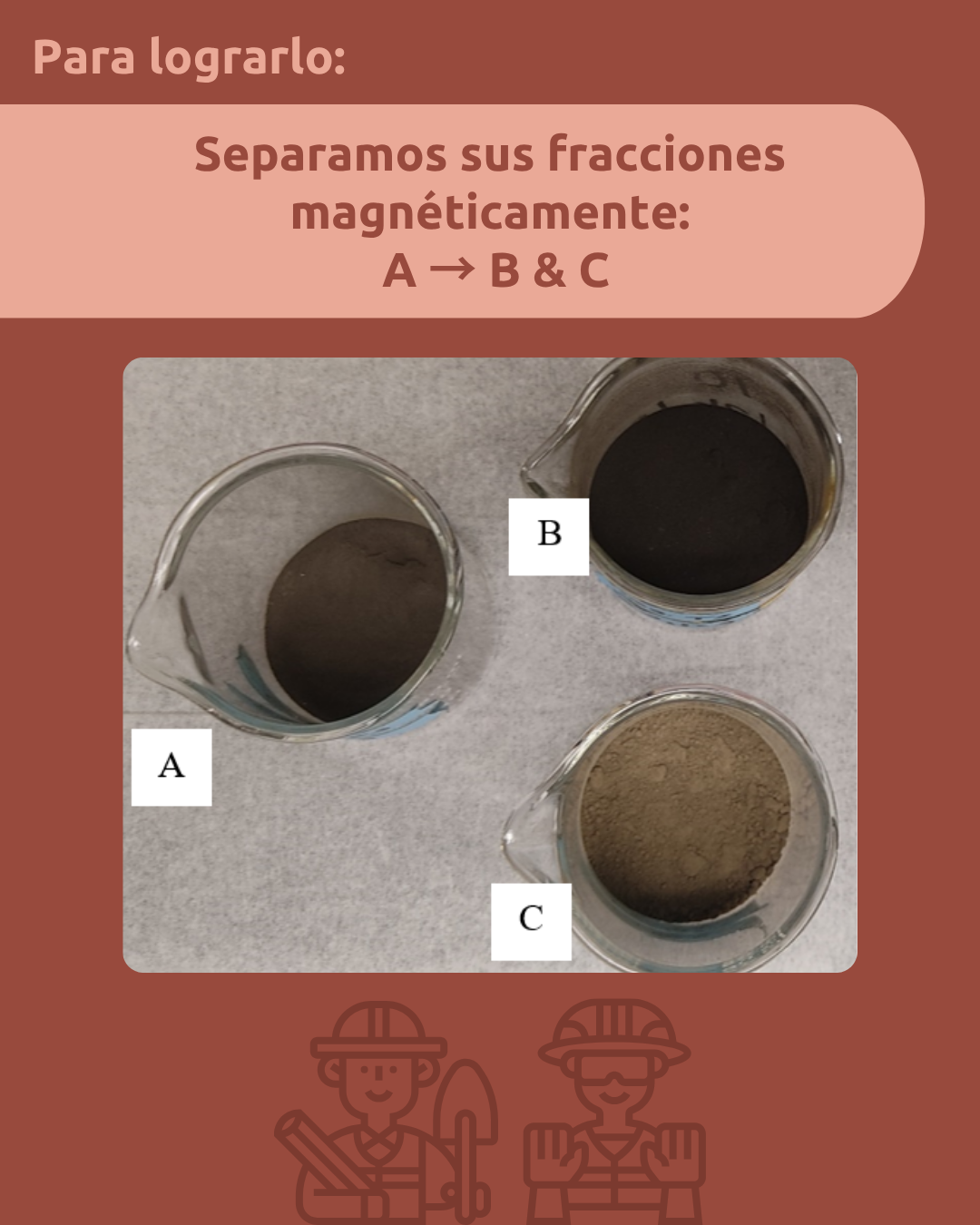
Figure 3: Jocelyn working with PSD in the laboratory. Products of magnetic separation: a) copper slag; b) magnetic slag fraction; c) non-magnetic slag fraction.
Jocelyn also had the opportunity to present her research in the undergraduate course Civil Engineering Materials, taught by Dr. Patrick Brewick, where she shared her progress and sparked other students’ interest in research.
The clues the material leaves behind
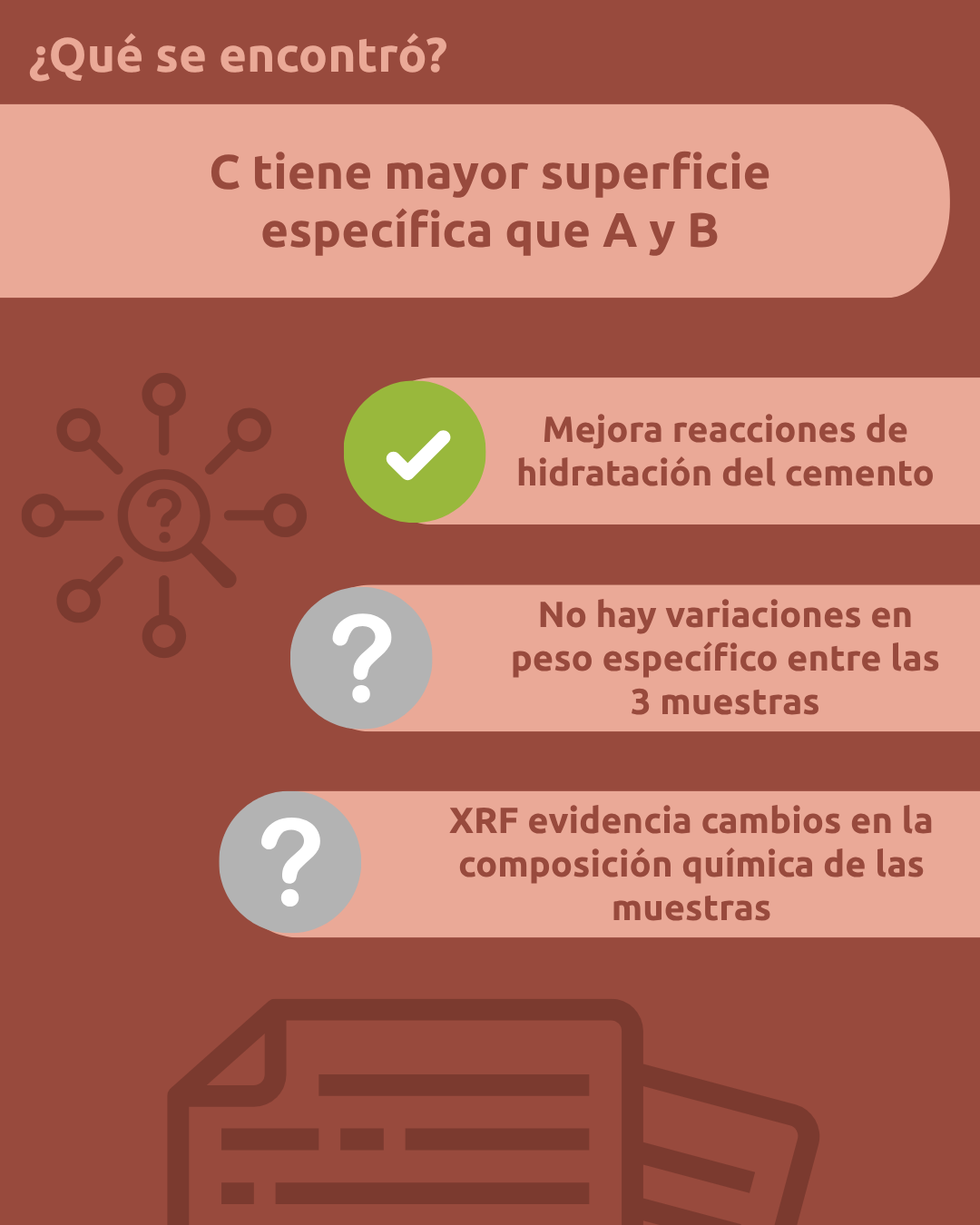
Among the results, the chromium, molybdenum and titanium content was found to be lower in the non-magnetic samples than in the magnetic ones. This offers clues about the chemical composition of the magnetic fraction of copper slag.
In addition, no significant variations in specific gravity were observed that could confirm that the magnetic fraction of the copper slag is magnetite. Taken together, the results suggest that this fraction could be magnetite with traces of other elements, or another chemical compound with magnetic properties.
Meanwhile, the particle size distribution analysis showed that the specific surface area of the non-magnetic fractions is roughly 4 and 6 times that of the untreated slag and the magnetic fraction, respectively. This is highly relevant because a larger specific surface area is directly linked to greater activity during cement hydration. This result is an important indication for determining whether physical modification through magnetic separation can effectively help improve the performance of copper slag as an SCM.
Although it was not possible to complete the XRD analysis in the time available, the results showed a high presence of amorphous material in all the copper slag samples. This means that much of the material lacks an ordered internal structure. A more detailed analysis will make it possible to better study its composition and identify possible differences between the magnetic and non-magnetic fractions.
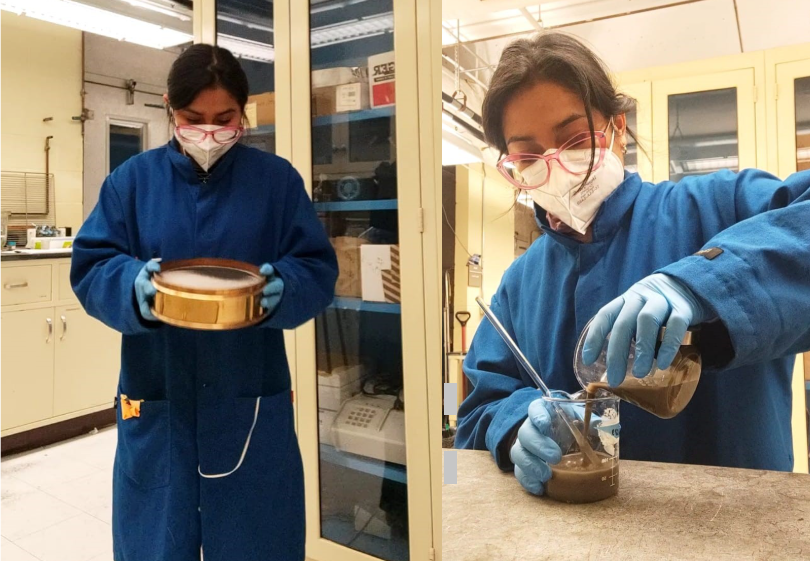
Figure 4: Jocelyn working in the laboratory, sieving samples to be analyzed using XRD and XRF (left), separating the magnetic fraction of the copper slag (right).
University of Notre Dame
Department of Construction Engineering and Management
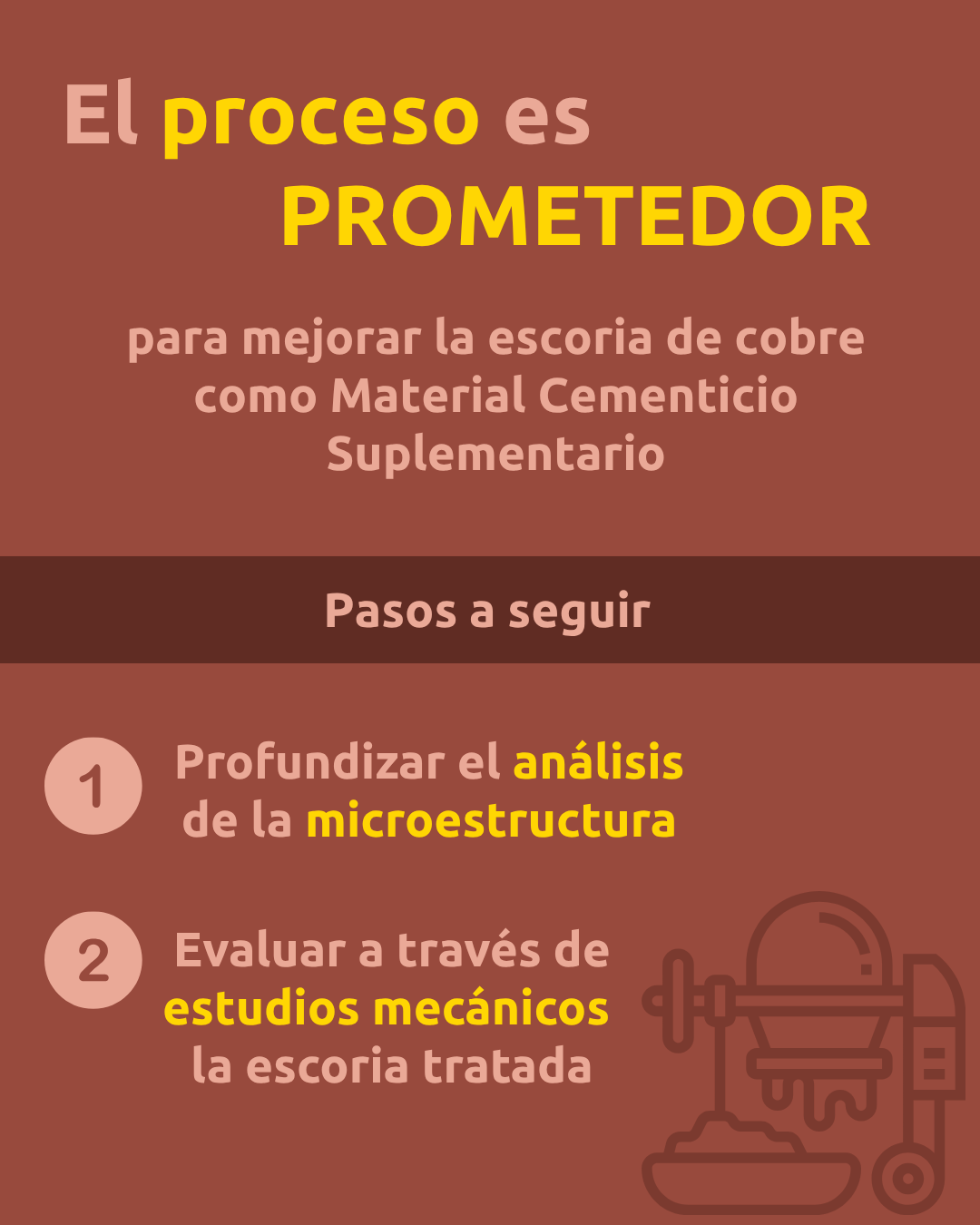
Although the internship results still need to be complemented with mechanical testing, the analyses provide information to better understand the characteristics of copper slag and assess its potential as a partial replacement for cement.
This experience highlights the value of international collaboration and the importance of bringing future engineers into research early in their education. Although there is still a long way to go, studying copper slag opens up new possibilities for making use of this waste and exploring more sustainable alternatives for construction and mining, two industries that are fundamental to national and global development.
The potential yet to be discovered