Design Engineering Unit (Dilab)
Office of International Relations
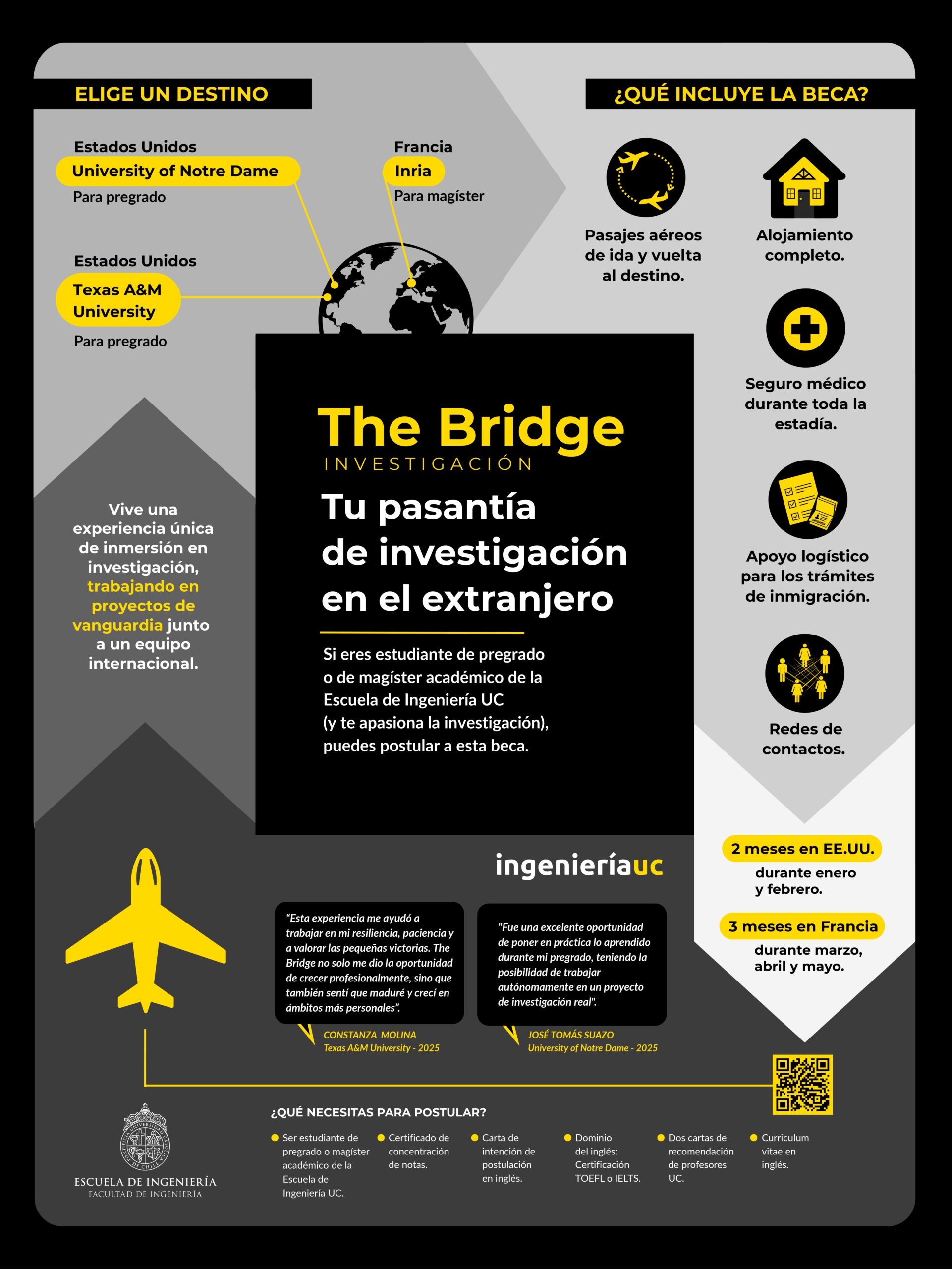
Arriving at a lab in another country, doing research in another language and quickly adapting to new ways of working. For many students, taking part in an international research internship means facing, for the first time, challenges that go far beyond academics.
Living far from family and loved ones, navigating different cultural contexts and learning to work in completely new environments ends up transforming not only the way they understand research, but also how they envision themselves professionally and personally.
This is precisely what The Bridge Investigación seeks to promote: an international internship program run by the School of Engineering of the Pontificia Universidad Católica de Chile. Through this initiative, undergraduate students have completed research stays of a couple of months at Texas A&M University and the University of Notre Dame in the United States, while master’s students have traveled to different sites of the INRIA research center in France.
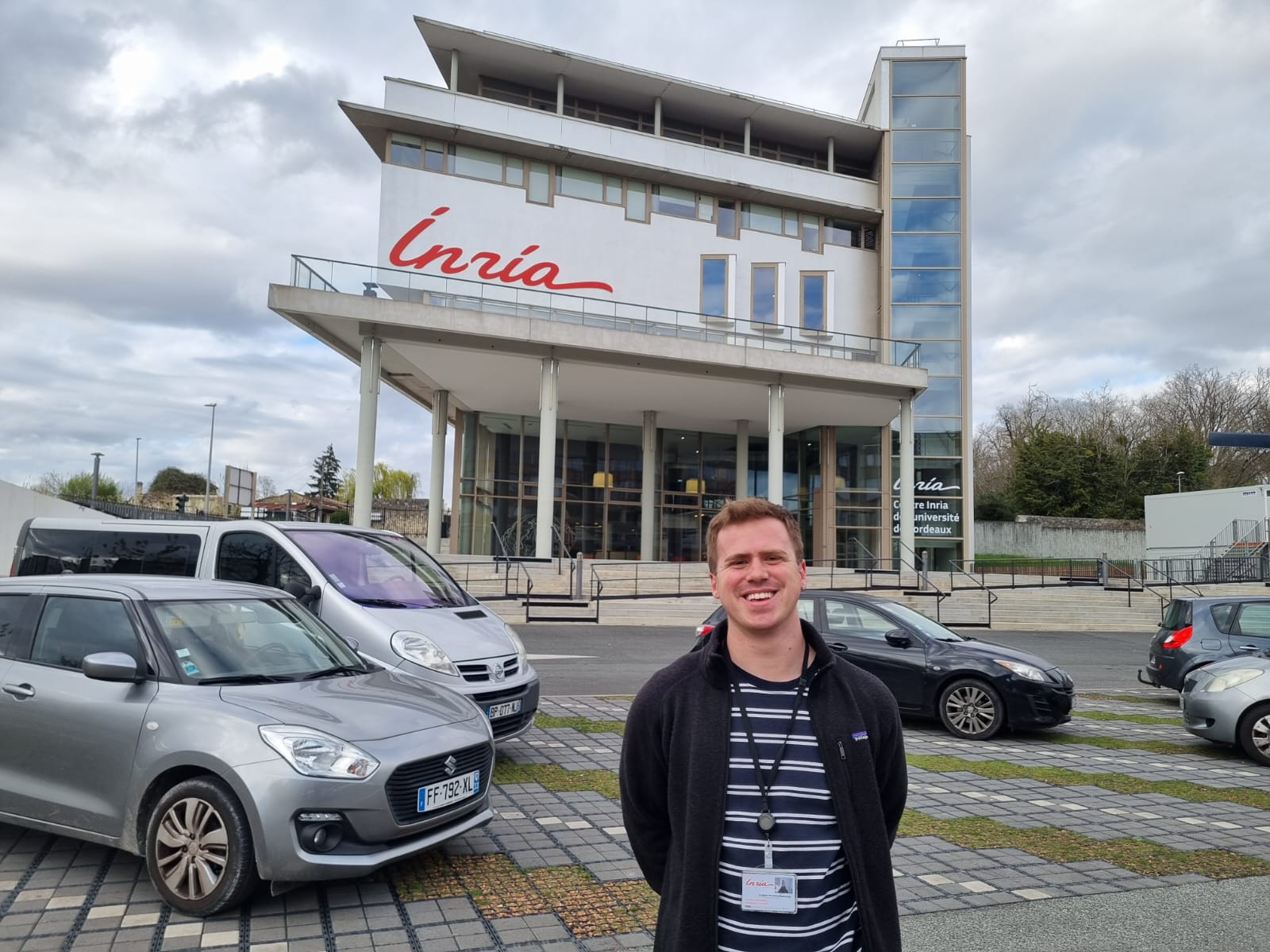
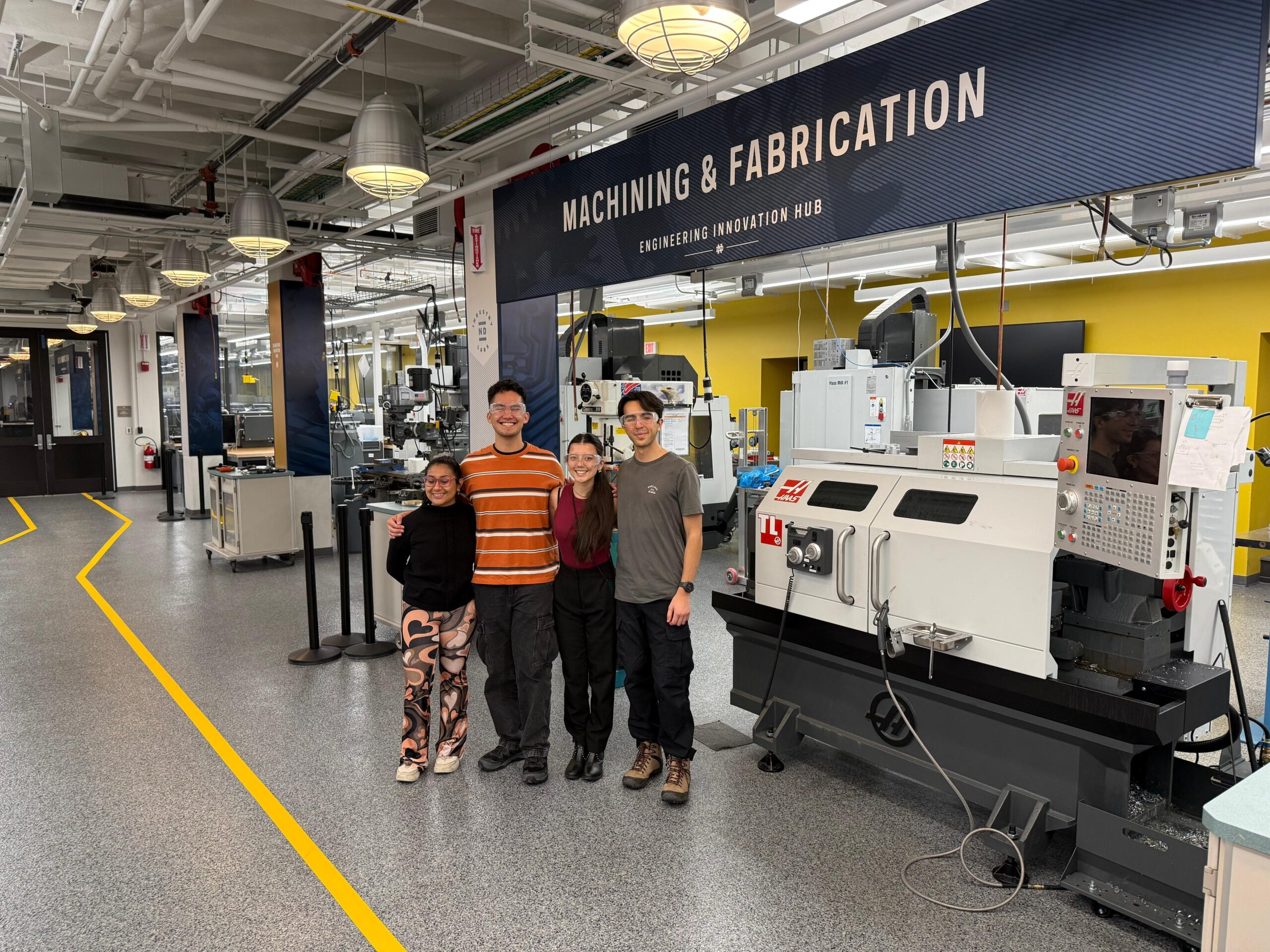
The Bridge 2026 students at the University of Notre Dame (Sebastián Lorca, Josefa Fernández, Ignacio Gajardo and Jocelyn Lincoleo) and Inria Côte d’Azur (Ignacio Tapia)
But beyond the labs, the projects or the host institutions, what really happens when a student goes through an international research experience?
That was the question behind the research carried out by Allison Zapata Inostroza, a student in Engineering Design and Innovation, as part of the School of Engineering’s Undergraduate Research Program (IPre). The research was supervised by Professor Isabel Hilliger, from the Design Engineering Unit (Dilab), in collaboration with Sofía Nicolai, Deputy Director of International Relations at the School.
To conduct the study, nine former participants (both current students and alumni) who had completed internships at Texas A&M, Notre Dame and INRIA were interviewed. Through their stories, the research explored how these experiences shape the academic, professional and personal development of those who take part.
Challenges that become learning
The experiences shared by participants were marked by very concrete challenges: living alone for the first time, managing the logistics of a stay abroad, communicating effectively in another language and quickly adapting to new ways of working in high-level laboratories to achieve specific goals in a short period of time.
Some had to learn to get by on their own in a completely new city. Others faced, for the first time, meetings, presentations and research work conducted entirely in English. There were also those who had to adapt to new ways of living together and to collaborative work in multicultural settings.
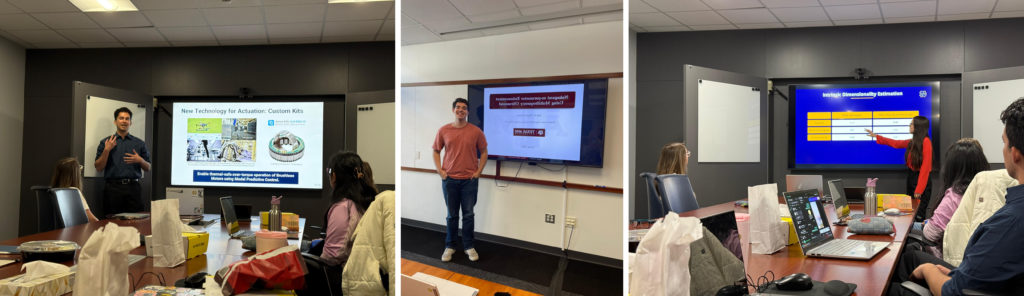
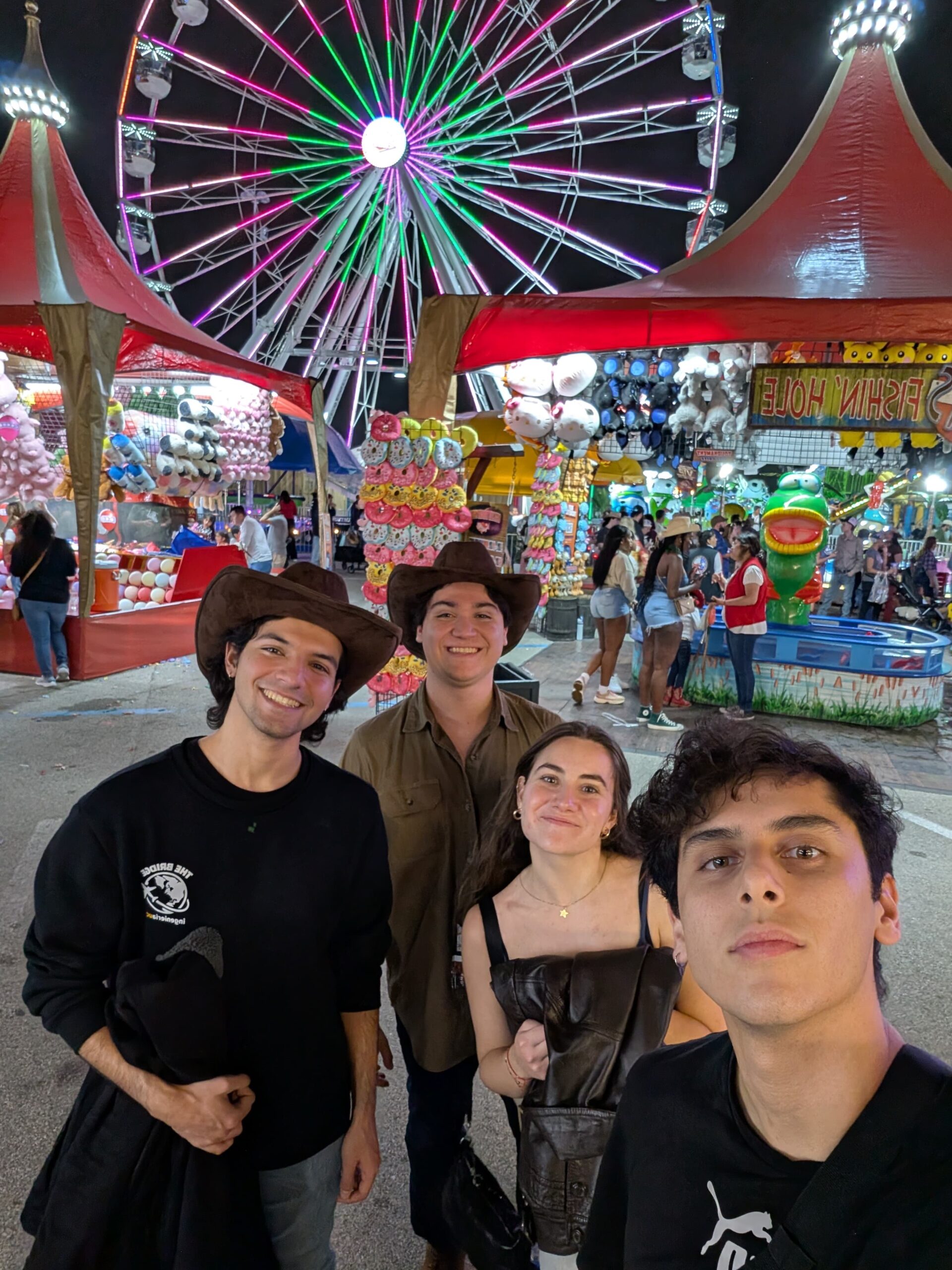
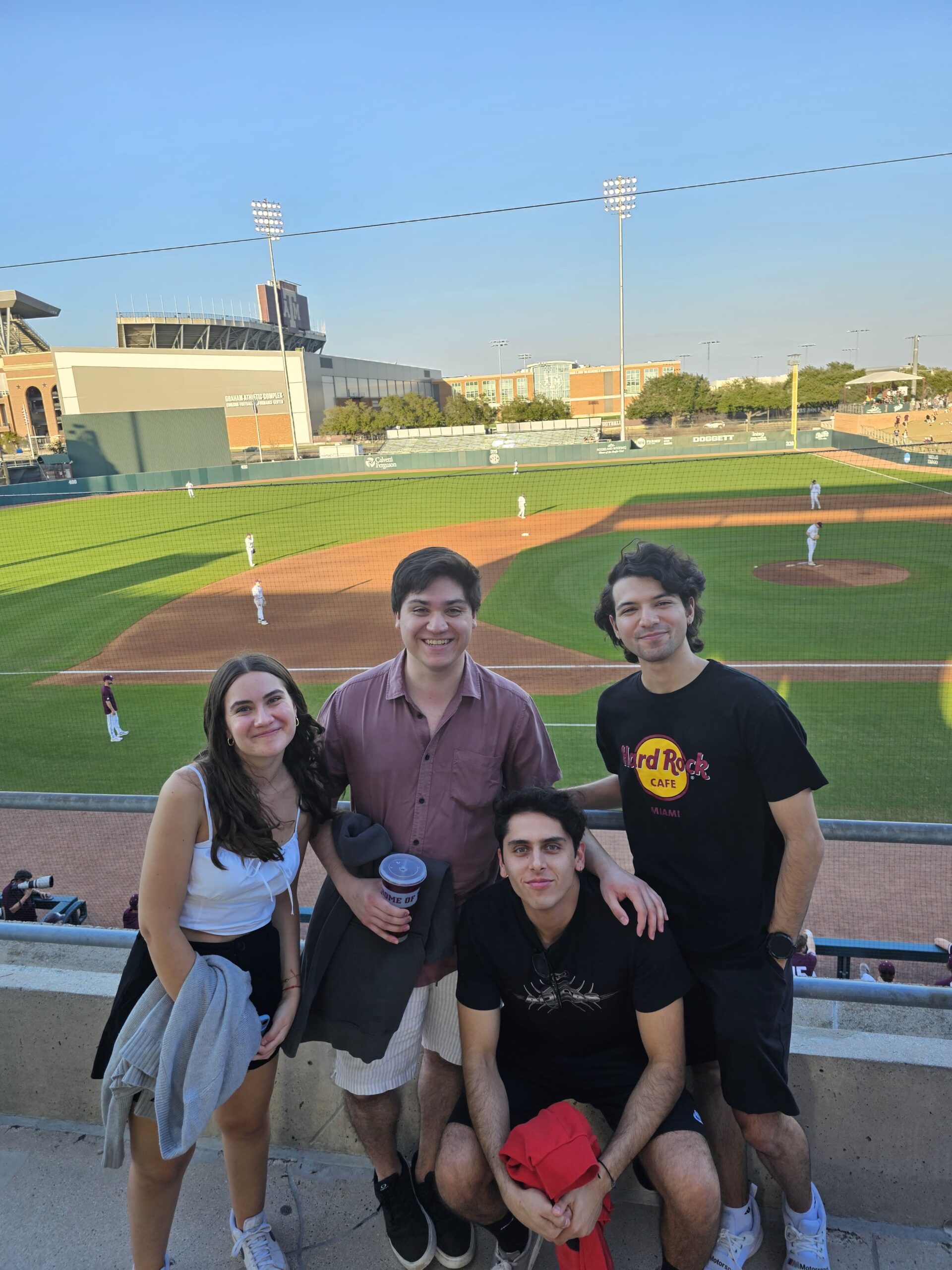
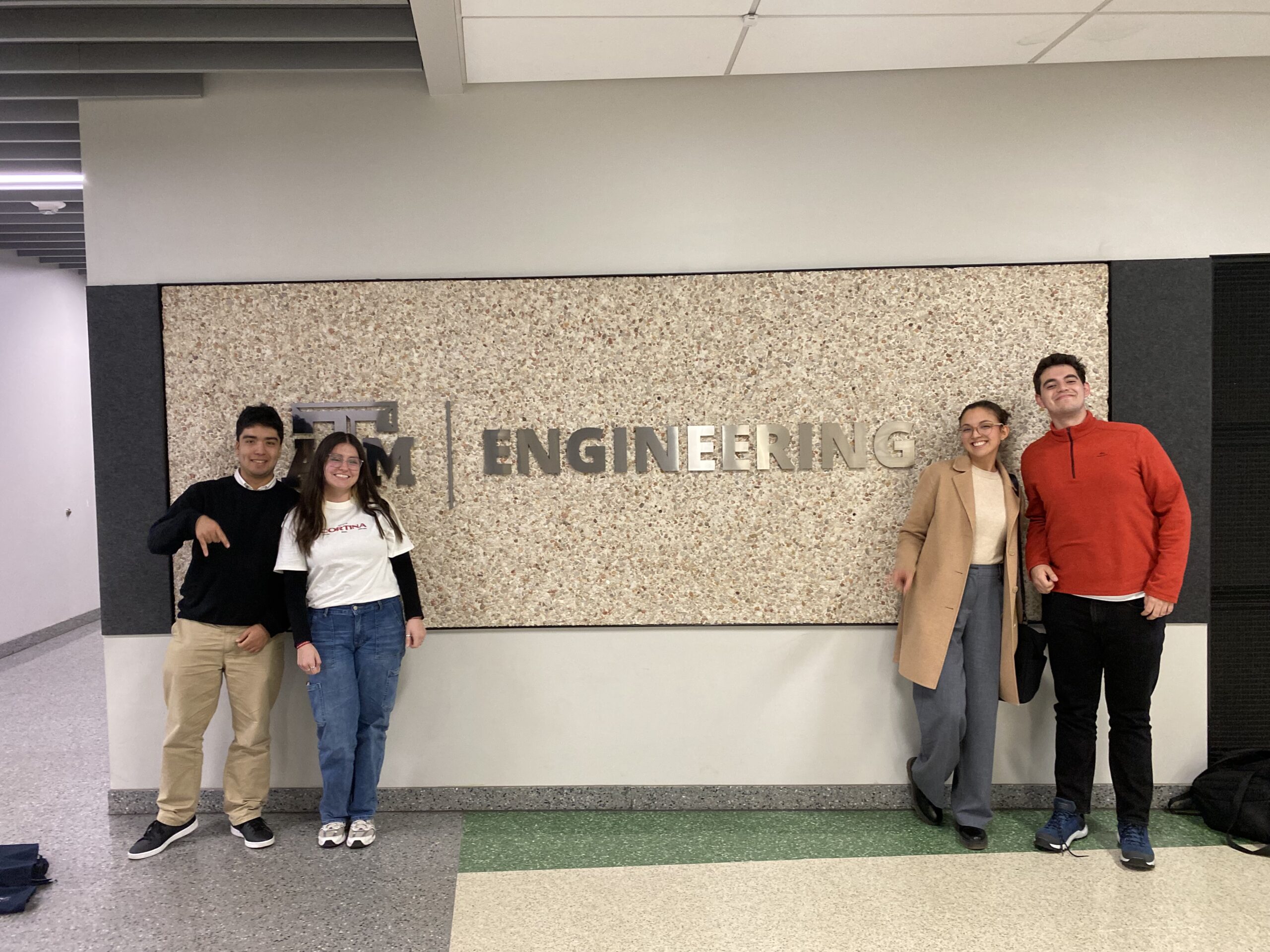
Students presenting progress on their projects and the research that inspired them. From left to right: Ignacio Gajardo, José Antonio Rojas, Josefa Fernández.
However, it was precisely those challenges that ended up becoming some of the most meaningful lessons.
Holistic growth
Based on the participants’ experiences, many agreed that the program strengthened skills that go far beyond the technical or academic. The research revealed development across four competency dimensions, with the following skills standing out:
“Discovering that I really can do research on my own… this program kind of came to revive my confidence and my dreams a little”, said one of the interviewees.
Many of the participants came back with greater clarity about their vocation, a stronger interest in pursuing graduate studies and an international network of contacts that remains active to this day. Perhaps most notably, they became the protagonists of their own learning.
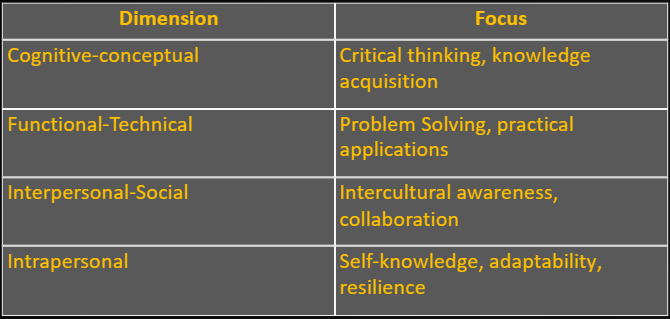
Categories of global skills developed during The Bridge Investigación program.
An experience that goes beyond academics
For Allison, carrying out this research was also a meaningful experience. Analyzing the experiences of other students allowed her to reflect on the role of research and internationalization in university education.
“I came to understand more clearly our role in a globalized culture, full of diversity and nuance, in which each of us can contribute from our own perspective”, she says.
From an academic perspective, the research also highlighted the educational value of this kind of international learning experience. For Professor Isabel, one of the main contributions of the work was understanding how internationalization can enhance skills that are often developed outside the classroom: “the intrapersonal dimension emerged as the most strengthened, highlighting skills such as self-confidence, self-regulation, adaptability and maturity”.
“For me, The Bridge was the experience that changed my life”, says one interviewee.
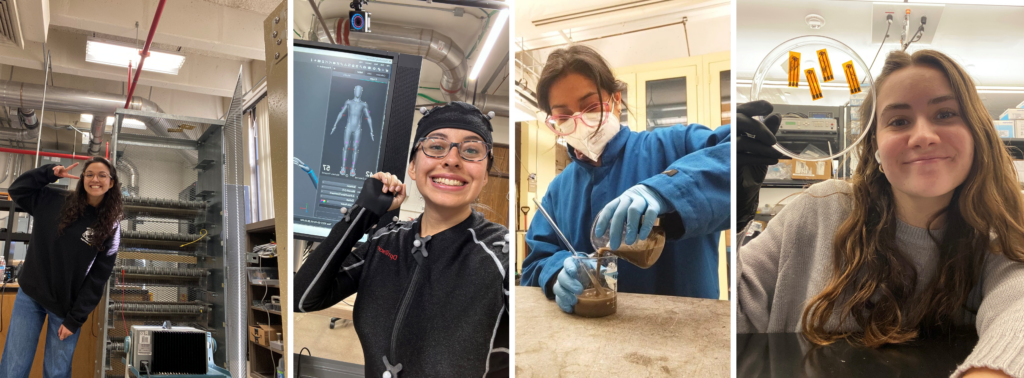
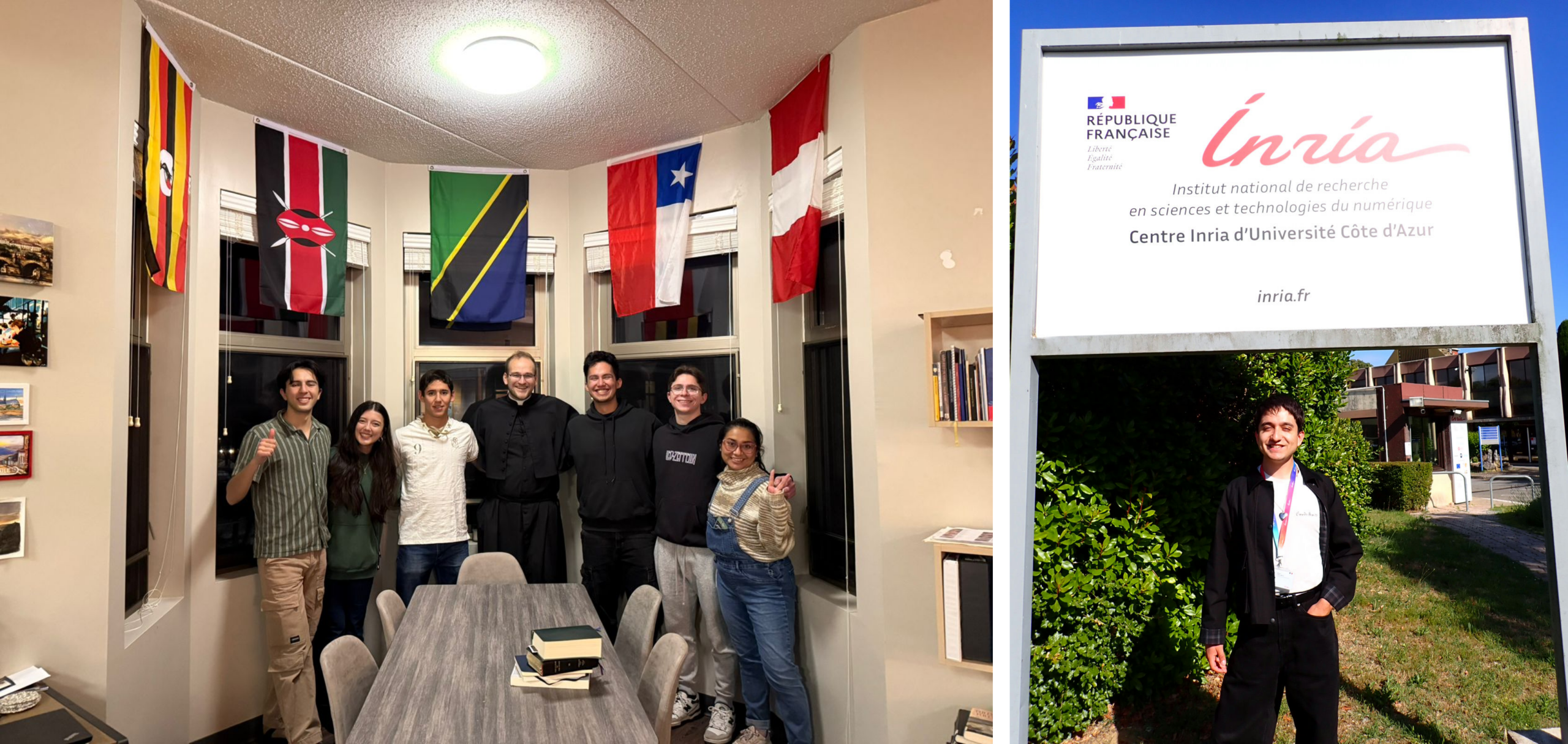
The Bridge students working on their research internships. From left to right: Sofía Gutiérrez, Jocelyn Lincoleo, Renata Ojeda, Constanza Molina.
For her part, Deputy Director Sofía notes that “what this research shows is that it is precisely situations of uncertainty and challenge that trigger deep learning processes”.
Challenges that act as catalysts for learning in The Bridge research internship program.
Design Engineering Unit (Dilab)
Office of International Relations
The Bridge Investigación is described as an enriching experience that challenges students to face new realities, step out of their comfort zone and broaden the way they see the world. Because sometimes, doing research far from home means coming back seeing the world, and yourself, in a different way.
An experience that goes beyond academics

Engineering Design Area